Oppenheimer (2023) Widescreen Still — Directed by Christopher Nolan
Film Criticism, Deep-Dive Analysis & Curated Discovery

Stop scrolling.
Start watching better cinema.

MovieXplor is an editorial movie and series discovery publication built for viewers tired of shallow streaming algorithms. We pair in-depth plot and thematic analyses, critical reception summaries, and cast breakdowns with our Taste DNA discovery tools so every evening watch is worth your time.

5-Part
Structured film critiques
100% Original
Editorial guides & essays
Zero Spoilers
In overview & mood tags
Featured Spotlight · Movie ★ 8.9 / 10
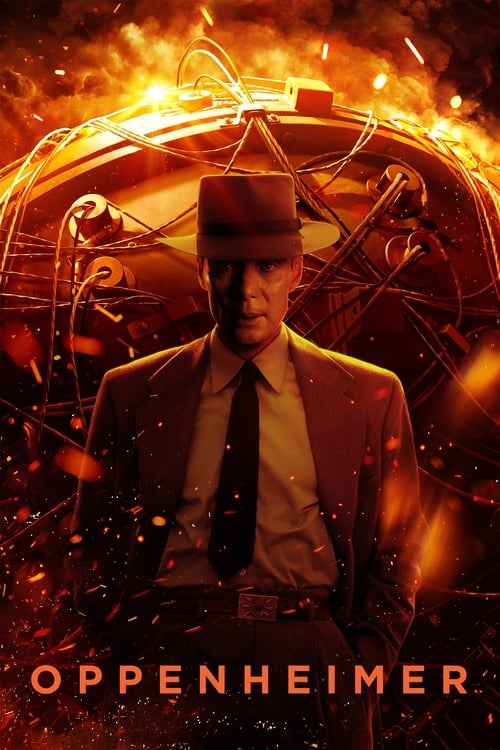
Oppenheimer (2023) Official TMDB Poster

Oppenheimer (2023)

Directed by Christopher Nolan · 180 min · R

How Nolan and editor Jennifer Lame structured a three-hour biographical inquiry into two intersecting 65mm IMAX timelines—"Fission" in subjective color and "Fusion" in objective black-and-white.

Genre & Mood: Biography, Drama, History · Intense & Cerebral
Streaming & VOD: Peacock, Apple TV Store, Prime Video
Read Full Review & Cast Breakdown
About Our Editorial Catalog & Methodology

Why Deep Film Curation Matters in an Era of Algorithmic Overload

Modern streaming platforms host tens of thousands of titles, yet most viewers spend more time scrolling through repetitive carousels than actually watching great storytelling. The reason is simple: standard catalog grids strip films down to a thumbnail image, a release year, and a vague two-sentence promotional blurb. Without critical context—how a film is paced, what visual or philosophical traditions it draws upon, how its ensemble cast interacts, and what emotional cadence it leaves behind—choosing a two-hour movie feels like a blind gamble.

At MovieXplor, we believe film discovery should be guided by thoughtful human criticism and transparent structural analysis. Every movie and prestige series in our catalog features five dedicated editorial sections: a Detailed Synopsis & Plot Analysis that unpacks narrative architecture without cheap clickbait; a Critical Reception & Review Summary synthesizing festival, award, and scholarly consensus; a Cast & Crew Breakdown examining direction, cinematography, score, and principal performances alongside a full technical specification table; Production & Release Trivia highlighting practical filmmaking craft; and a tailored Why You Should Watch guide matching each work to specific viewing moods and comparable cinema. Whether you explore our curated dossiers below or filter by genre and pacing across our web publication, our goal is to help you discover films worth finishing.

In-Depth Film & Series Dossiers

Featured Movie & Series Analyses

Select any title below to read our complete editorial review, plot analysis, cast and crew breakdown, production trivia, and technical specification table.

Oppenheimer (2023) Backdrop
Movie · 2023 · 180 min ★ 8.9

Oppenheimer

Dir. Christopher Nolan · Biography, Drama, History

Editorial Synopsis & Verdict

Adapting "American Prometheus" into a non-linear prism of 65mm color ("Fission") and black-and-white IMAX ("Fusion"), Nolan turns theoretical physics and the 1954 AEC security hearing into a gripping meditation on scientific hubris and nuclear chain reactions.

Principal Cast: Cillian Murphy, Emily Blunt, Matt Damon, Robert Downey Jr.
Cinematography & Score: Hoyte van Hoytema · Ludwig Göransson
Where to Watch: Peacock, Apple TV Store, Prime Video
View Cast & Synopsis →
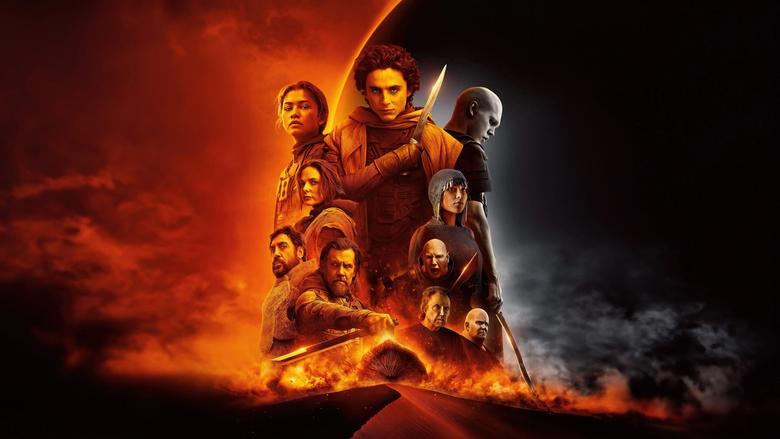
Dune: Part Two (2024) Backdrop
Movie · 2024 · 166 min ★ 8.6

Dune: Part Two

Dir. Denis Villeneuve · Sci-Fi, Adventure, Drama

Editorial Synopsis & Verdict

Denis Villeneuve transforms Frank Herbert’s desert epic into a cautionary tragedy about manufactured religious prophecy. Anchored by Chani’s skepticism and Greig Fraser’s infrared photography on Giedi Prime, it stands among modern sci-fi’s greatest achievements.

Principal Cast: Timothée Chalamet, Zendaya, Rebecca Ferguson, Javier Bardem
Cinematography & Score: Greig Fraser · Hans Zimmer
Where to Watch: Max, Apple TV Store, Prime Video
View Cast & Synopsis →
Past Lives (2023) Backdrop
Movie · 2023 · 106 min ★ 7.9

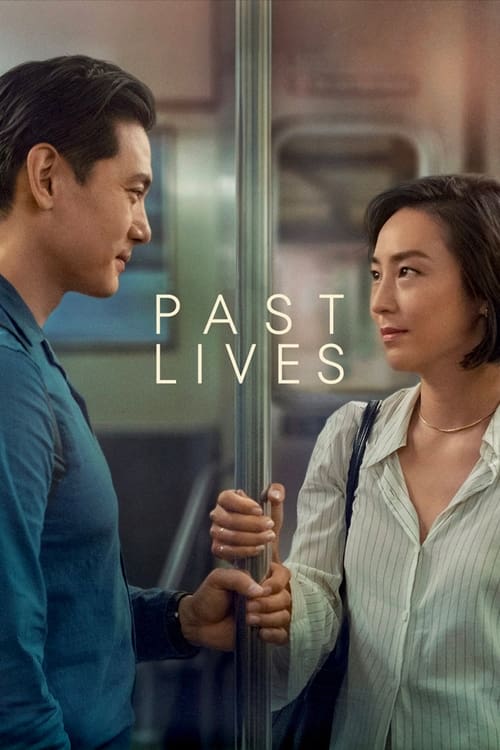
Past Lives

Dir. Celine Song · Drama, Romance

Editorial Synopsis & Verdict

Spanning twenty-four years between Seoul, Toronto, and New York, Celine Song’s 35mm debut explores the Korean concept of "In-Yun" (providence) through three deeply empathetic adults confronting the quiet ache of roads not taken.

Principal Cast: Greta Lee, Teo Yoo, John Magaro
Cinematography & Score: Shabier Kirchner · Bear & Rossen
Where to Watch: Paramount+, Showtime, Apple TV Store
View Cast & Synopsis →
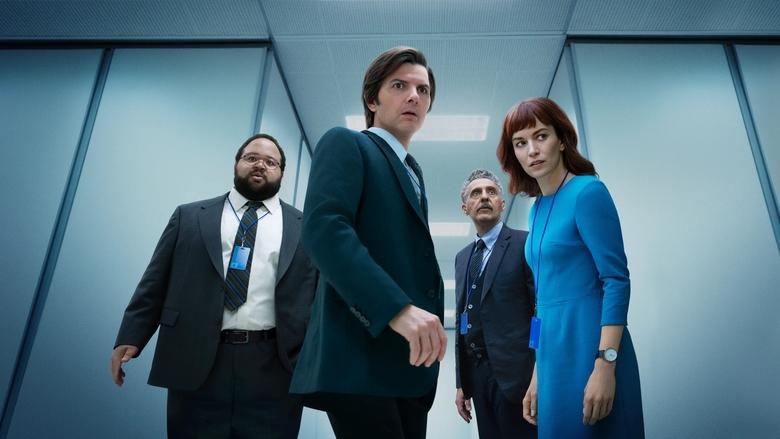
Severance (2022) Backdrop
Series · 2022 · 9 Episodes ★ 8.7

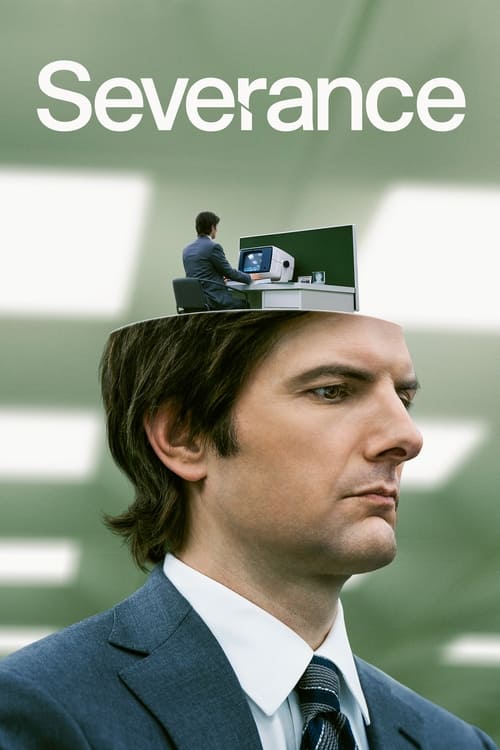
Severance

Dir. Ben Stiller & Aoife McArdle · Sci-Fi, Mystery, Thriller

Editorial Synopsis & Verdict

At Lumon Industries, employees surgically bifurcate their memories between an office "Innie" and a civilian "Outie." Dan Erickson and Ben Stiller fuse symmetrical architectural dread with biting corporate satire and an unforgettable finale.

Principal Cast: Adam Scott, Britt Lower, John Turturro, Patricia Arquette
Cinematography & Score: Jessica Lee Gagné · Theodore Shapiro
Where to Watch: Apple TV+
View Cast & Synopsis →
Parasite (2019) Backdrop
Movie · 2019 · 132 min ★ 8.5

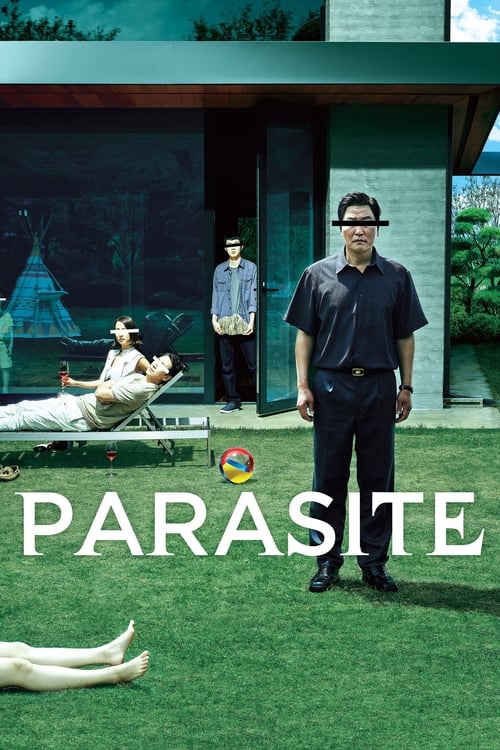
Parasite

Dir. Bong Joon-ho · Thriller, Drama, Dark Comedy

Editorial Synopsis & Verdict

Bong Joon-ho’s Palme d’Or and Best Picture winner uses vertical staircases, sunlit glass, and a subterranean bunker to chart the symbiotic collision between the destitute Kim clan and the wealthy Park family in contemporary Seoul.

Principal Cast: Song Kang-ho, Choi Woo-shik, Park So-dam, Cho Yeo-jeong
Cinematography & Score: Hong Kyung-pyo · Jung Jae-il
Where to Watch: Max, Hulu, Criterion Channel
View Cast & Synopsis →
Shōgun (2024) Backdrop
Series · 2024 · 10 Episodes ★ 8.7

Shōgun

Created by Rachel Kondo & Justin Marks · History, Drama

Editorial Synopsis & Verdict

Winner of a record 18 Primetime Emmy Awards, FX’s adaptation of James Clavell’s novel centers authentic 1600s courtly Japanese ("keigo"), turning poetry, translation, and allegiance between Lord Toranaga and Lady Mariko into lethal political chess.

Principal Cast: Hiroyuki Sanada, Anna Sawai, Cosmo Jarvis, Tadanobu Asano
Cinematography & Score: Christopher Ross · Atticus Ross
Where to Watch: Hulu, Disney+
View Cast & Synopsis →
Original Publisher Journalism & Essays

Featured Editorial Guides & Film Criticism

Long-form critical essays written by the MovieXplor Editorial Desk exploring narrative pacing, sound design, international cinema, and streaming culture.

Read All 4 Full-Length Essays →
Film Craft & Genre Analysis · · 7 min read (740 words)

The Architecture of Tension: Why Modern Sci-Fi Thrillers Are Redefining Slow-Burn Storytelling

By MovieXplor Editorial Desk · Senior Film Criticism & Narrative Analysis

For nearly two decades following the turn of the millennium, mainstream science fiction was dominated by an arms race of kinetic velocity. Blockbuster third acts routinely dissolved into weightless digital debris, camera movements rarely held still for more than two seconds, and exposition was delivered on the run. Yet if you examine the science-fiction films and series that have captured both critical prestige and passionate audience devotion over the past few years—from Denis Villeneuve’s Arrival and Dune: Part Two to Apple TV+’s Severance—a striking reversal has taken place. The genre’s most gripping moments no longer come from speed; they come from stillness, architectural scale, and the unbearable pressure of waiting.

Consider the first forty-five minutes of Arrival. When twelve monolithic alien vessels appear in Earth’s atmosphere, Villeneuve and cinematographer Bradford Young refuse to stage the customary montage of landmarks being destroyed. Instead, the camera lingers on low clouds rolling across a Montana valley, the rhythmic thrum of military helicopters, and the quarantine tents where linguist Louise Banks prepares to walk up a gravity-defying shaft. By stretching the interval between question and answer, the film invites the viewer’s nervous system to synchronize with the protagonist’s breathing.

This shift relies heavily on what production designers and cinematographers call architectural storytelling. In Severance, director Ben Stiller and cinematographer Jessica Lee Gagné turn the endless, symmetrical white hallways of Lumon Industries into a psychological labyrinth. There are no monsters chasing Mark Scout down the corridors of the Severed Floor. The terror stems entirely from fluorescent minimalism: ceilings that feel slightly too low, emerald-green carpets that absorb footsteps, and vast empty rooms containing only four desks clustered together. Because the visual frame is stripped of clutter, the smallest human gesture carries the impact of an explosion.

Acoustic design plays an equally vital role in this new wave of deliberate sci-fi. In Dune: Part Two, sound designer Richard King and composer Hans Zimmer treat the desert of Arrakis as an acoustic instrument. Before a giant sandworm ever breaches the dunes, the audience hears the low-frequency rhythmic thumper and the dry hiss of shifting sand grains swallowing the stereo field. In an era of short-form algorithmic feeds designed to fracture human attention every six seconds, a film or series that commands unhurried concentration feels genuinely radical.

Streaming Culture & Discovery · · 6 min read (690 words)

Beyond the Algorithm: Why Pacing, Mood, and "Taste DNA" Matter More Than Genre Labels

By MovieXplor Curation Team · Discovery Systems & Editorial Research

We have all experienced the modern Friday-night paradox: you have access to more than fifty thousand movies and television series across five subscriptions, yet you spend forty-five minutes scrolling through horizontal carousels before giving up and rewatching a sitcom you have seen four times. Industry researchers call this "choice paralysis," but the root problem is not having too many movies—it is the blunt, outdated taxonomy that streaming platforms use to categorize them.

On almost every major platform, the primary unit of organization is the broad genre tag: "Drama," "Sci-Fi," "Comedy," or "Thriller." Yet consider what happens when you place Celine Song’s hushed, wistful 106-minute romance Past Lives in the exact same "Drama" bucket as Christopher Nolan’s relentless, three-hour historical inquiry Oppenheimer. Both are masterpieces, and both are technically dramas. However, the psychological state required to watch them could not be more different. One operates at the tempo of a quiet conversation in an East Village bar at midnight; the other moves with the percussive intensity of a courtroom cross-examination.

Similarly, the label "Comedy" is routinely applied to both FX’s high-adrenaline culinary pressure cooker The Bear and a lighthearted weekend rom-com. A viewer who clicks on The Bear expecting a relaxing background laugh before bed is immediately confronted with overlapping dialogue, screaming ticket printers, and a claustrophobic twenty-minute single take of a kitchen meltdown. When a recommendation engine only looks at surface-level genre nouns or actor overlap, it ignores the single most important variable in human viewing satisfaction: narrative rhythm and emotional mood.

At MovieXplor, our editorial curation and Taste DNA framework evaluate titles across five structural dimensions that traditional catalogs overlook: Editorial Tempo (average shot length and dialogue density), Tonal Temperature (satire vs. radical empathy vs. contemplative nostalgia), Cognitive Load, Visual & Acoustic Texture, and Resolution Cadence. When you match a film to your current evening bandwidth using pacing, runtime, and emotional tone rather than a generic genre label, the forty-minute scroll vanishes.

The MovieXplor Editorial Framework

Built for cinephiles who actually finish what they start.

Use our editorial dossiers and genre filters to explore cinema by narrative pacing, runtime, directorial craft, and streaming availability.

Taste DNA Profiling

We analyze pacing, mood, directorial style, cinematography, and thematic depth rather than generic genre tags—helping you pinpoint stories that match your exact sensibility.

Mood & Runtime Filters

Whether you need an absorbing 100-minute weeknight drama or an immersive weekend sci-fi epic, filter directly by emotional cadence, decade, and runtime.

Unified Streaming Guide

Stop opening five separate services to check where a movie is available. Every review page lists current streaming and VOD availability across Netflix, Max, Prime, Apple TV+, and Hulu.